Colored recycled yarns produced by the open-end rotor spinning method.
We produce our recycled yarns as colored yarns using the open-end rotor spinning method. The story of our recycled yarn begins with the collection of fabric waste generated from the cutting process of garment manufacturers.
We carefully sort the collected fabric waste by their colors and compositions, ensuring that they do not contain elastane or any other different fibers. These sorted fabric pieces are first cut into smaller pieces with a guillotine according to their colors and then transformed into cotton fibers in the fiber-opening machine. We create colorful cotton bales and store them.
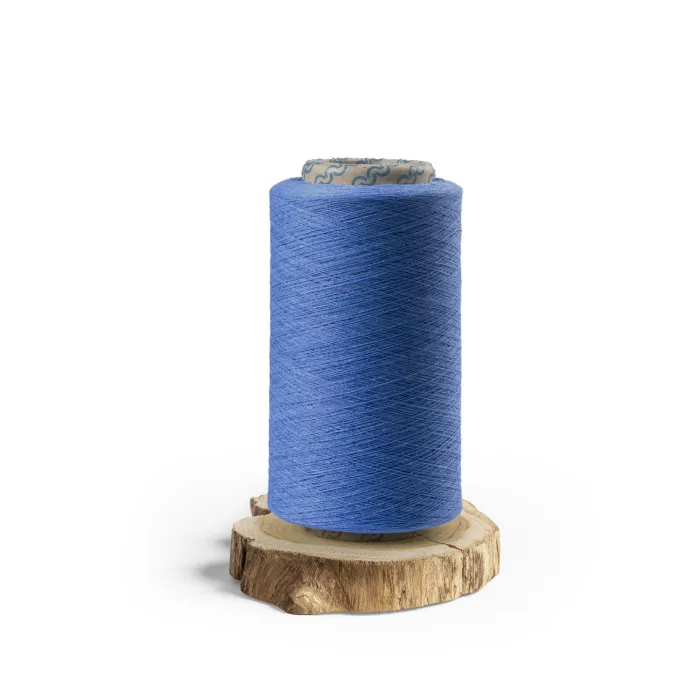
While the length of virgin (original) cotton fibers is generally 29 mm, the length of our recycled cotton fibers is around 11–12 mm. Therefore, reinforcing fibers are required for yarns finer than Ne 6/1. In our facility, we produce blends of recycled cotton and virgin polyester; however, if requested, we can also produce blends with recycled polyester by discussing the terms.
In our facility, we can produce recycled yarns in all counts ranging from Ne 1/1 to Ne 30/1. We categorize our colors as melange — blends of colored cotton and white polyester — and as uni-solid colors — blends of colored cotton and colored polyester. Our facility has an approximate production capacity of 900 tons of recycled yarn per month. Our blend ratios are generally 60% cotton and 40% polyester, with a possible deviation of +/- 10%. Color deviations between lots can be +/- 5%, and there may be up to 5% of different (other) fibers.
All colors in our card are produced from dyed fabrics. Because they are dyed with variable cottons from many different mills and with different chemicals, we recommend that the recycled yarns you purchase from us not be dyed after knitting and be washed at 30°C only. Please note that pilling and fastness values should not be compared with those of virgin yarns, as results may be 1–1.5 points lower at minimum.
If our customers have highly sensitive applications, we strongly recommend that they carry out sample work and tests, and proceed with their orders accordingly. Because pilling and fastness values can vary as the clippings used in our yarn blend change, some colors and blends achieve results almost as good as virgin yarn, while others may deviate by 1–2 points.
All colors in our card are produced from dyed fabrics; offered in melange and uni-solid options. We currently offer a broad range of up to 96 ready-to-produce colors, with no limit for custom colors on request.
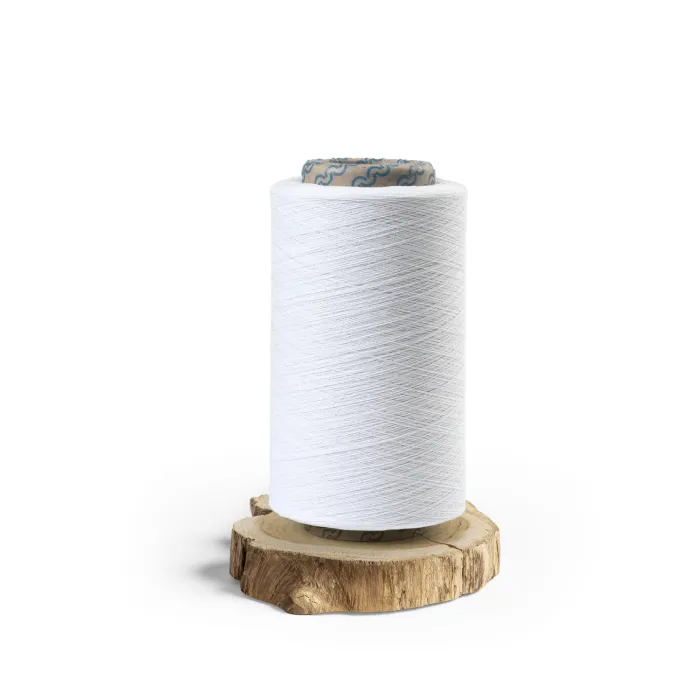
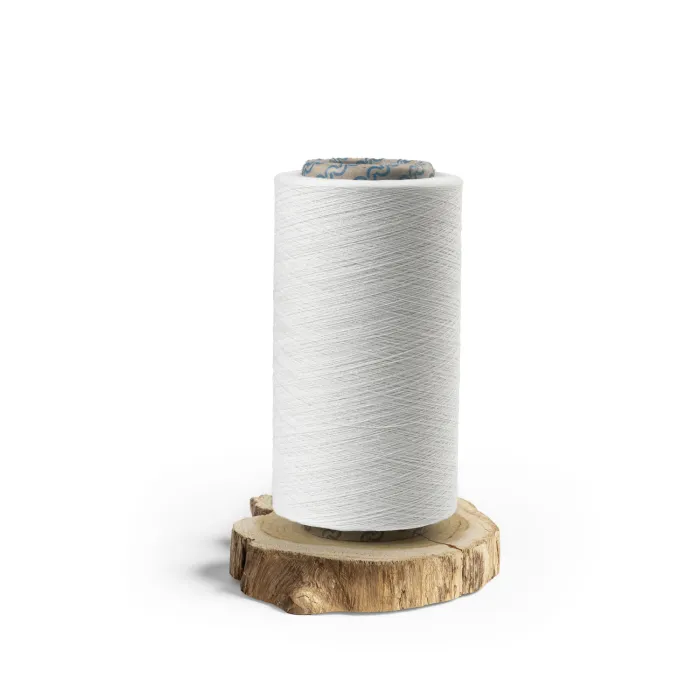
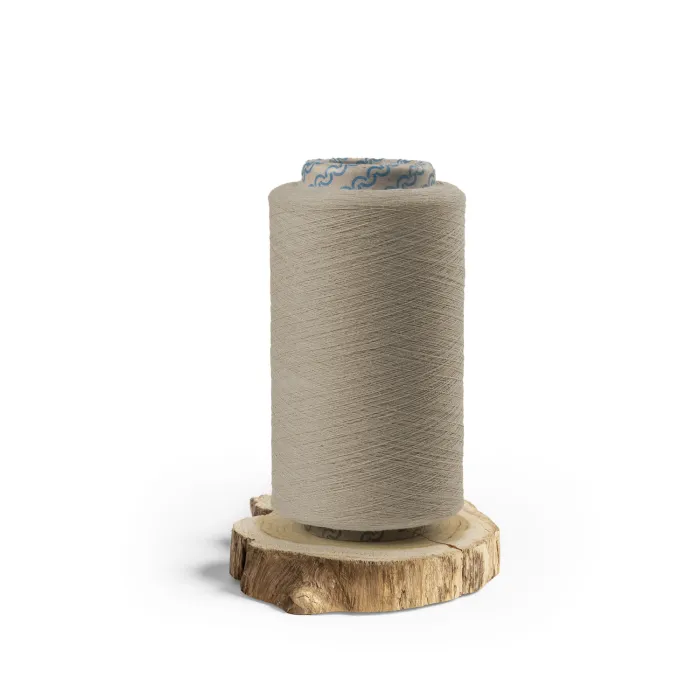
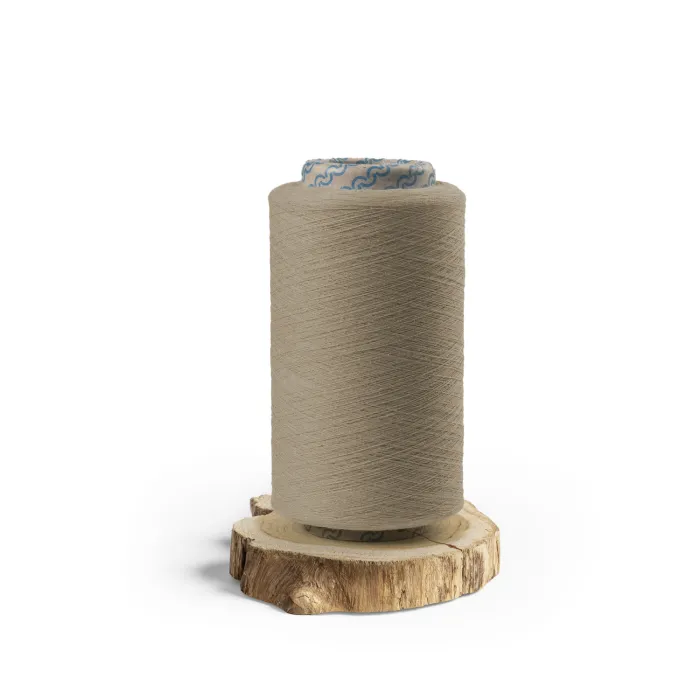
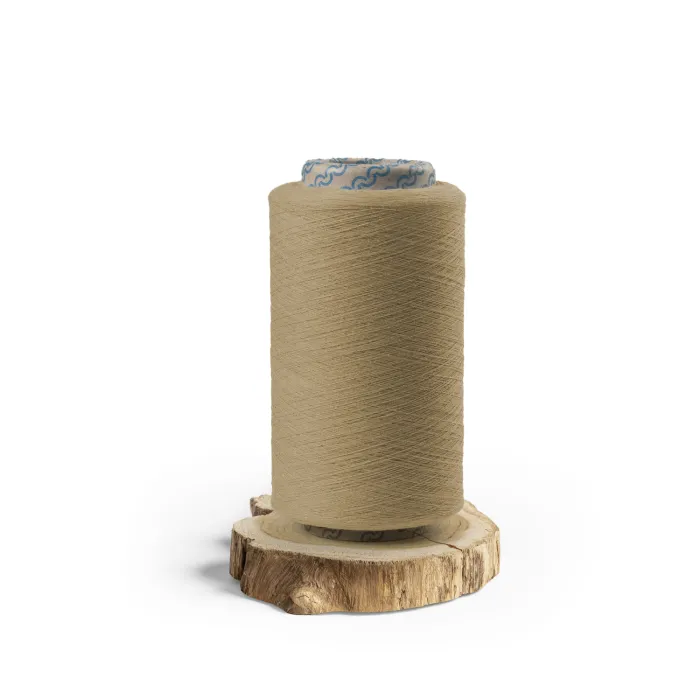
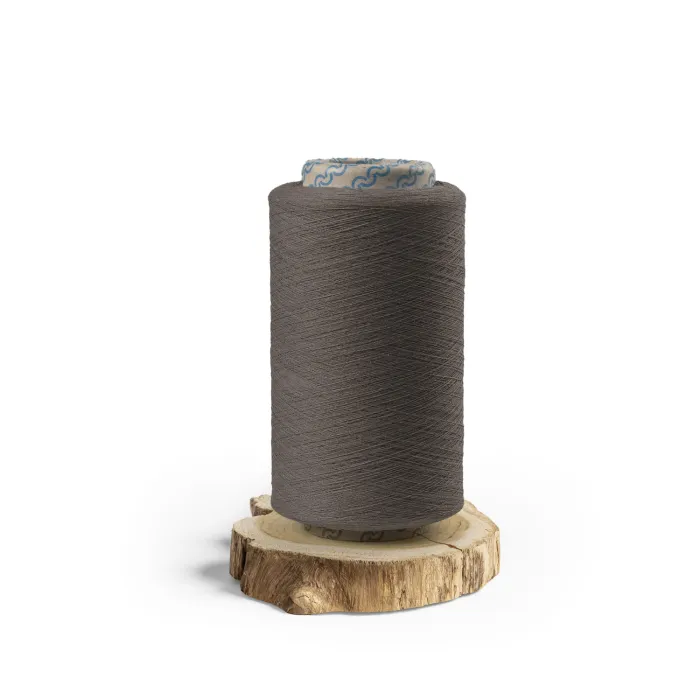
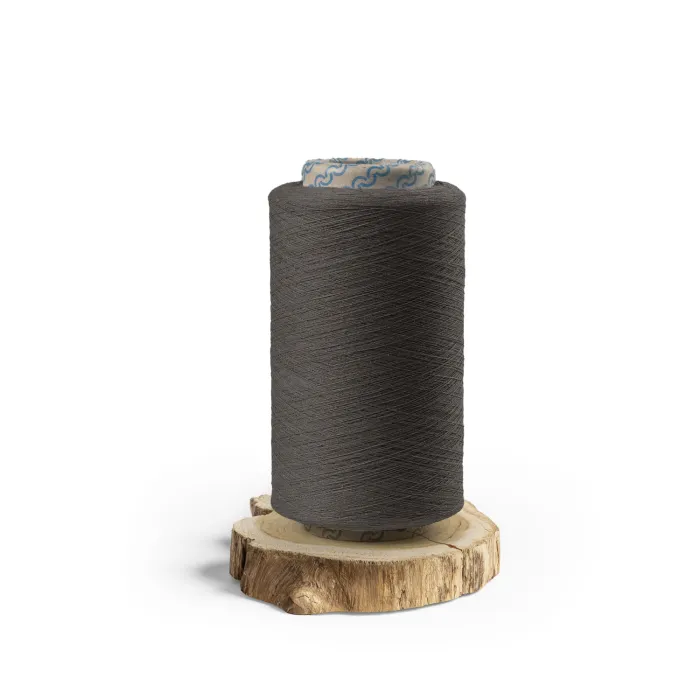
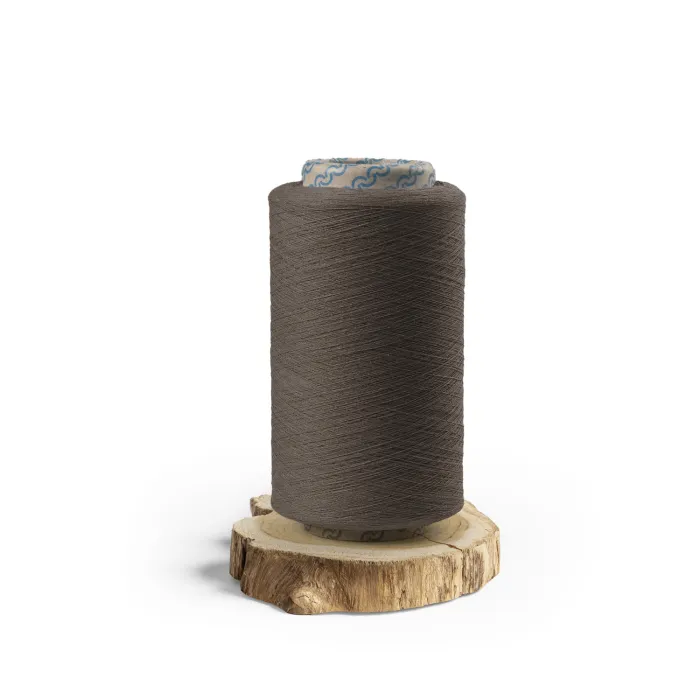
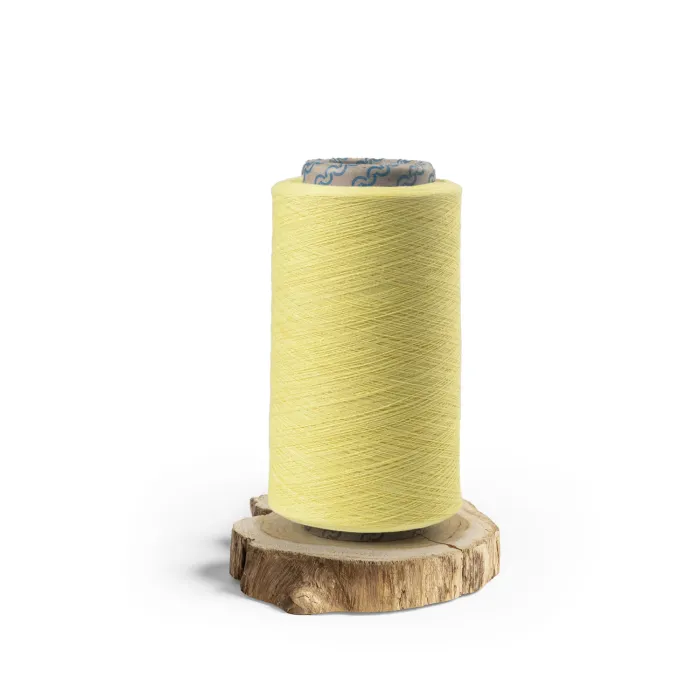
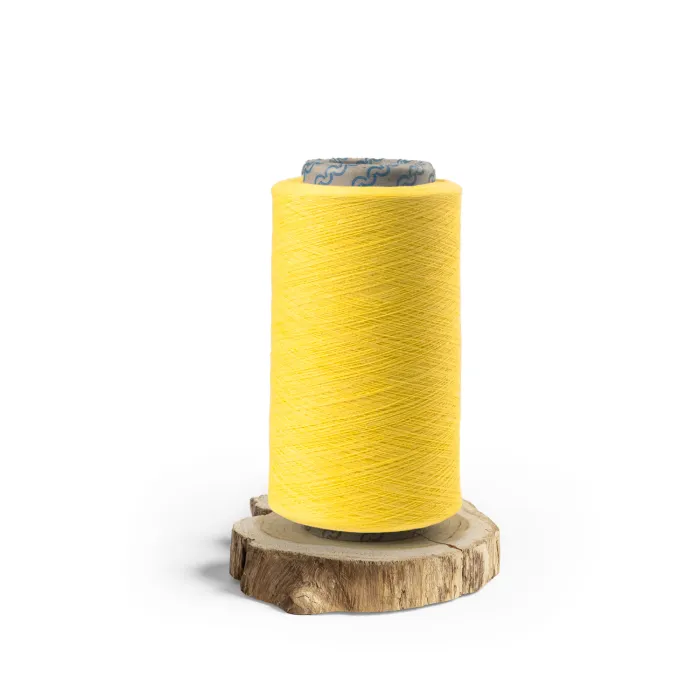
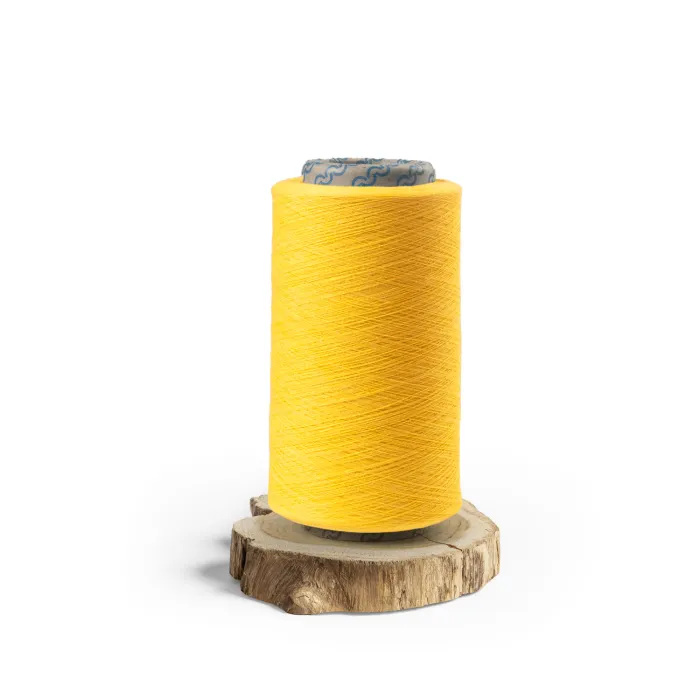
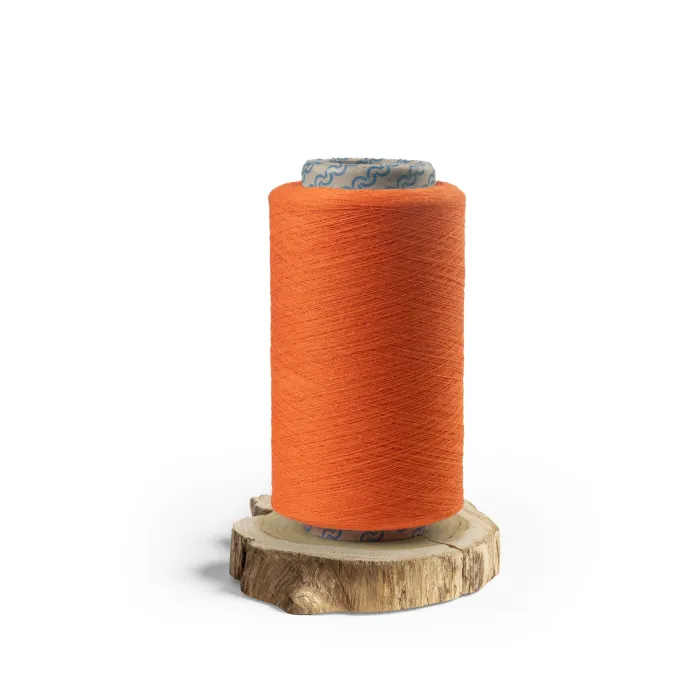
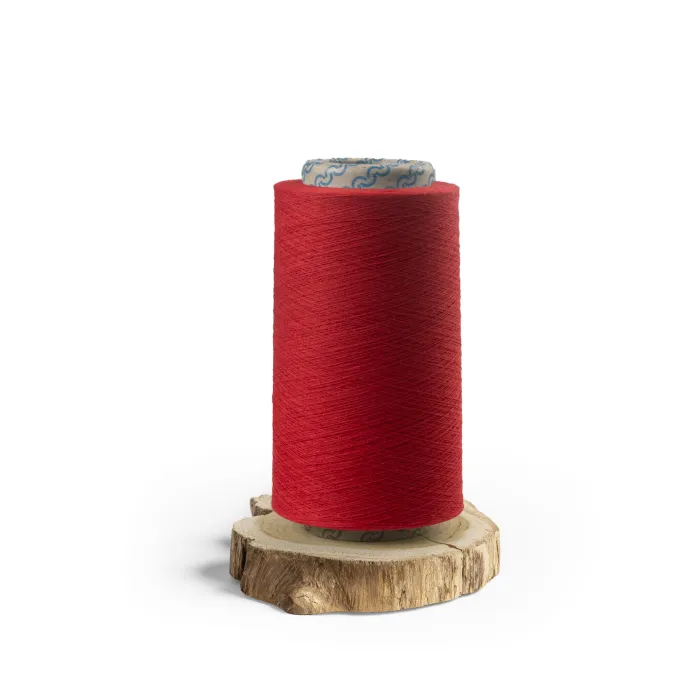
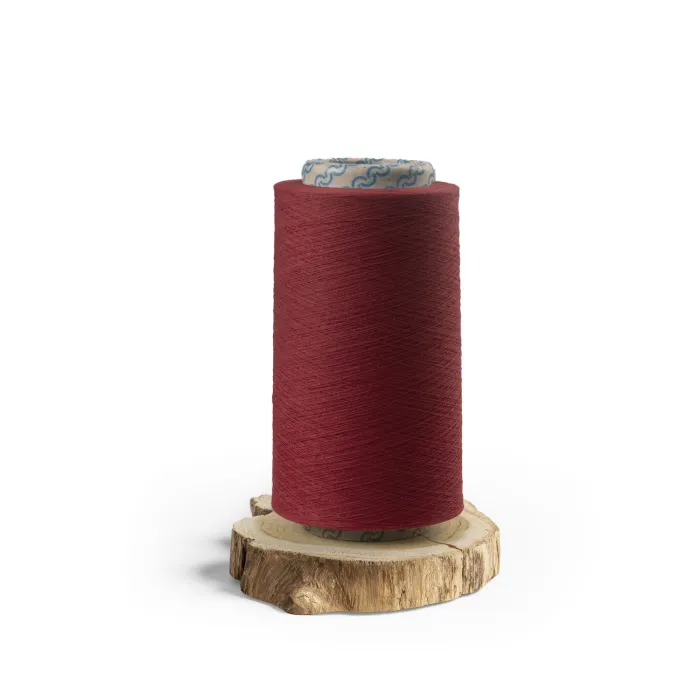
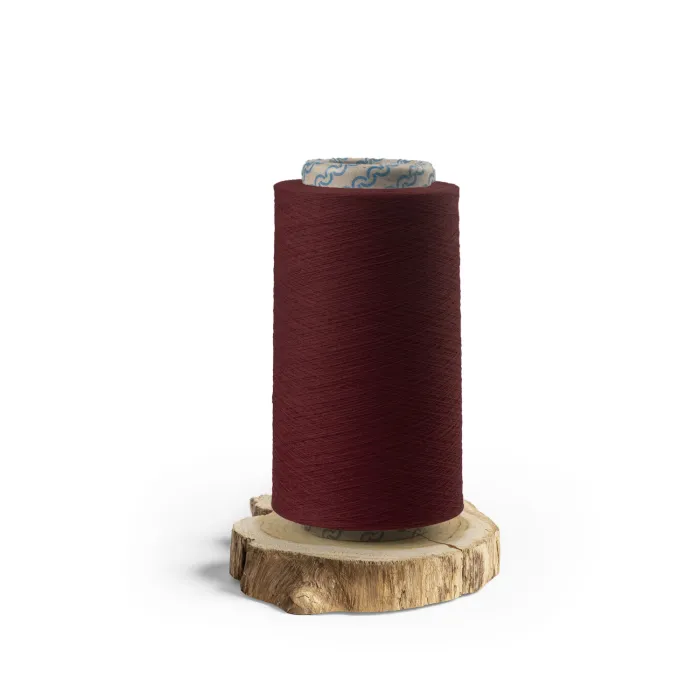
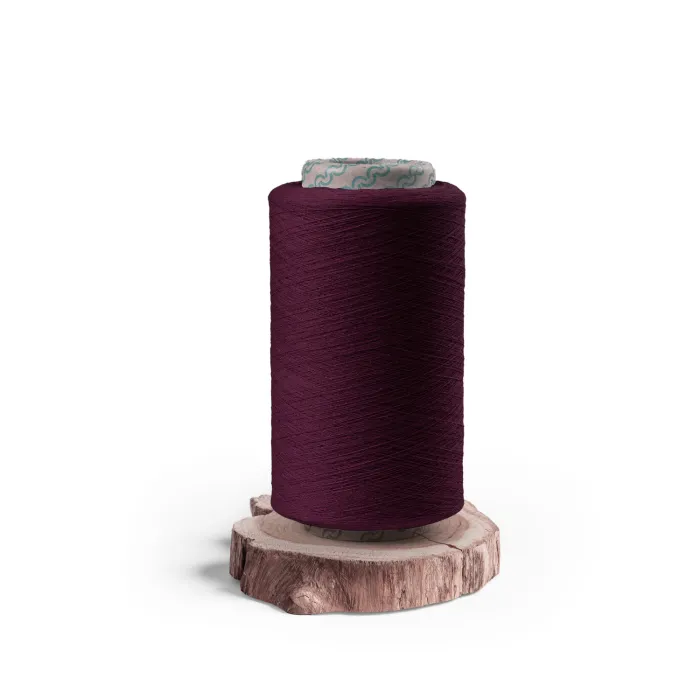
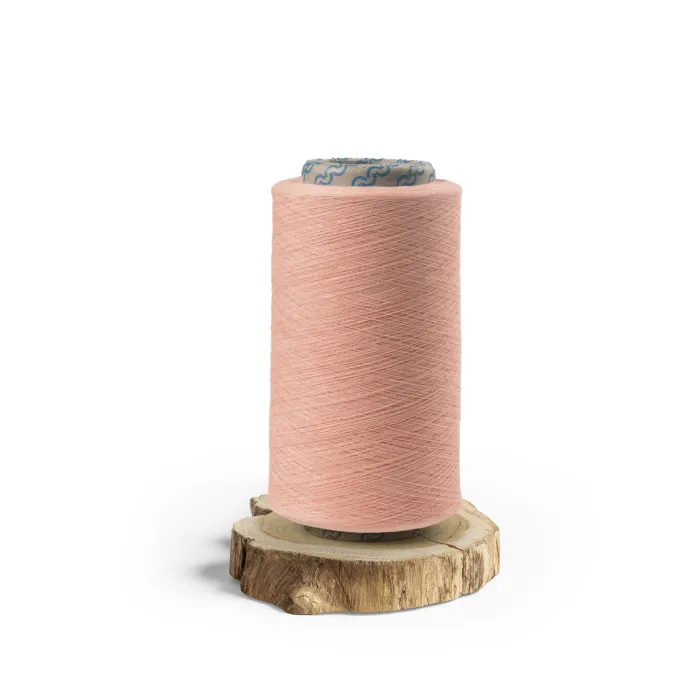
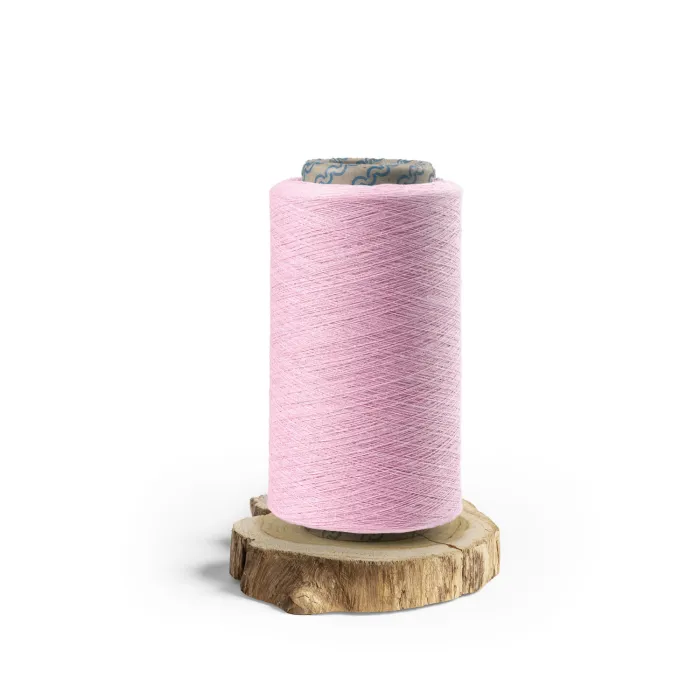
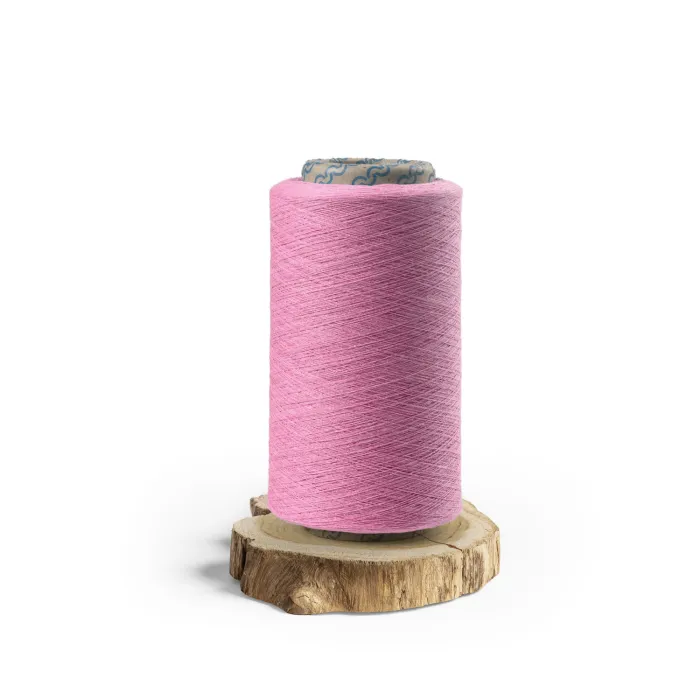
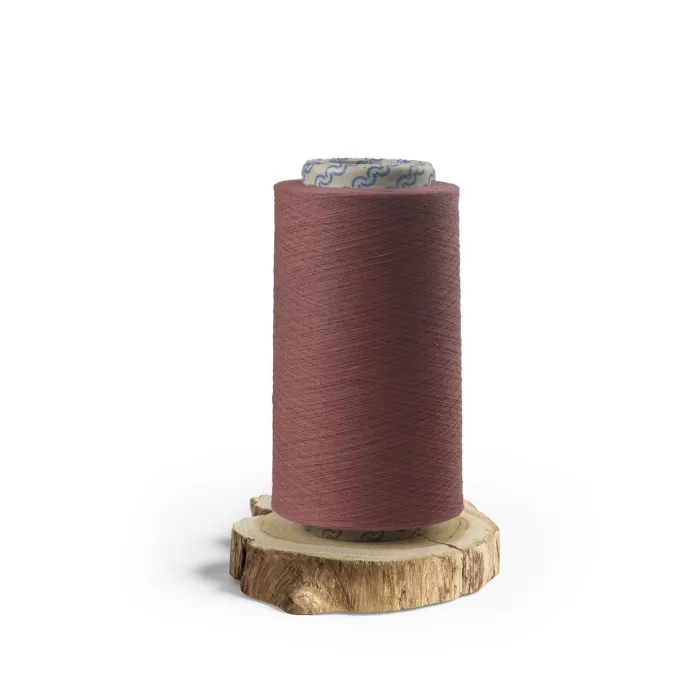
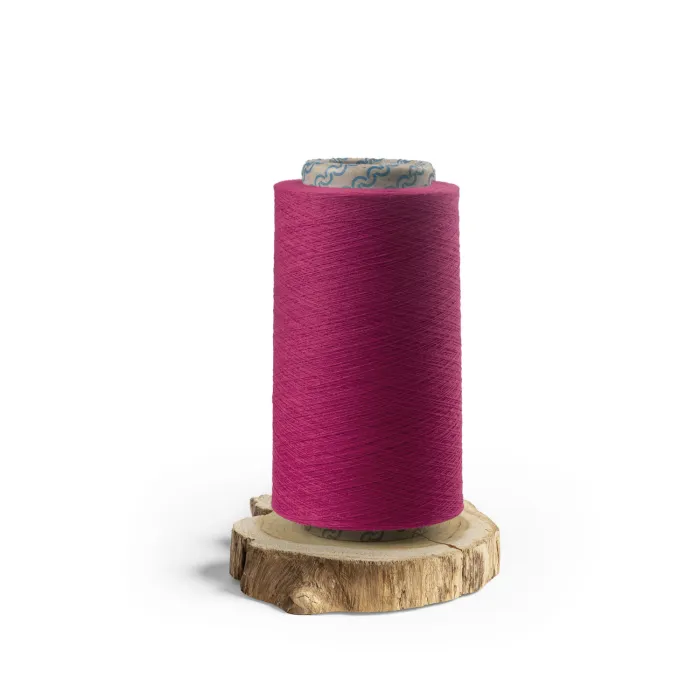
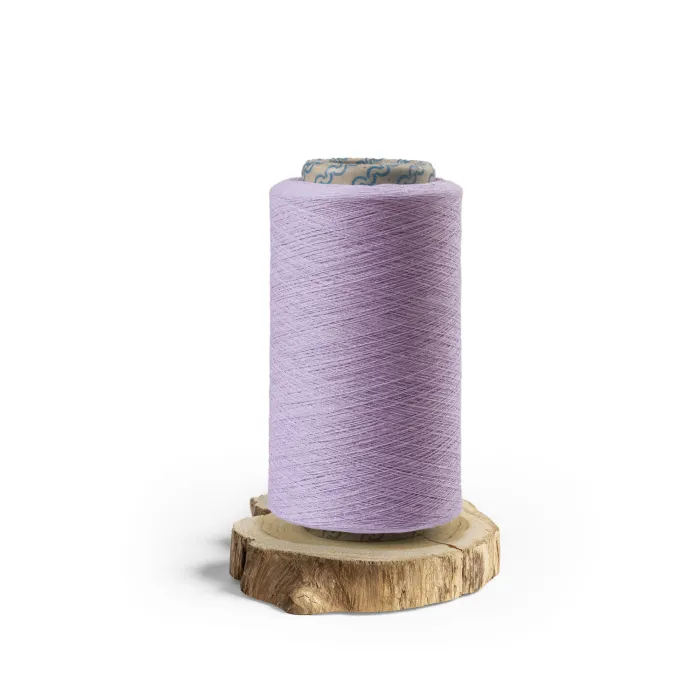
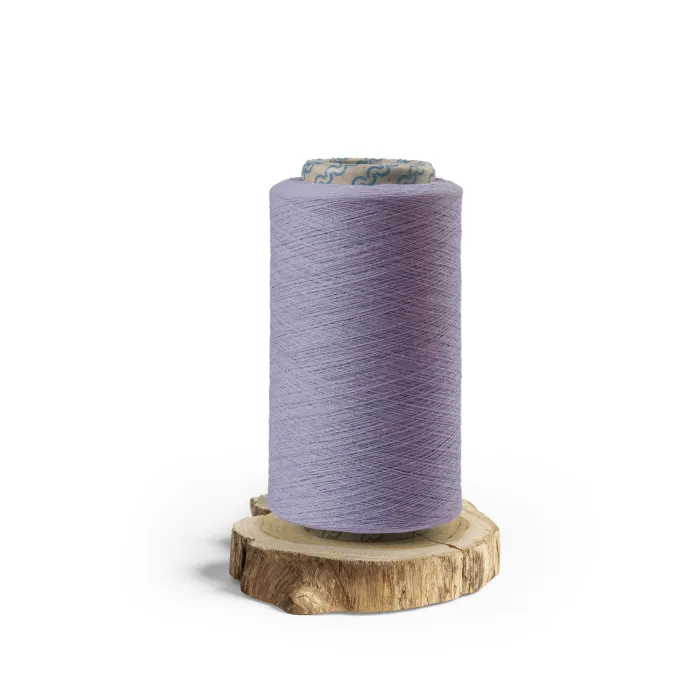
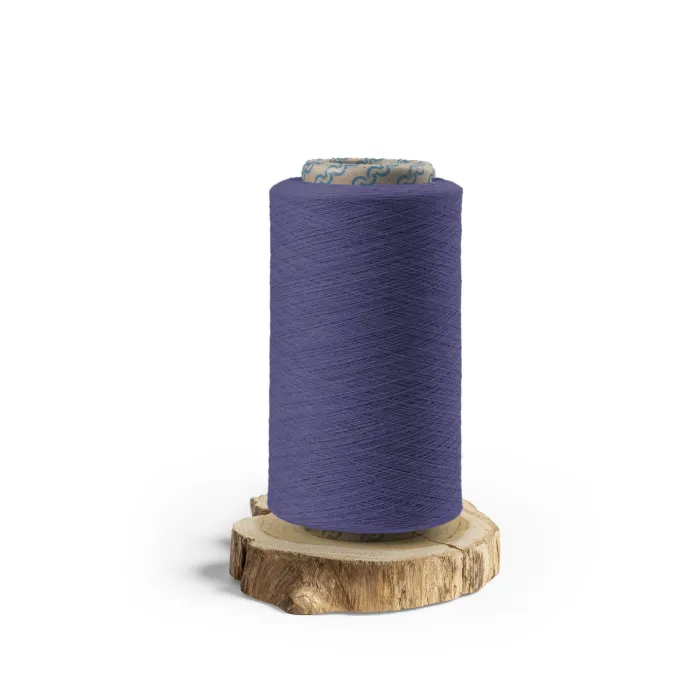
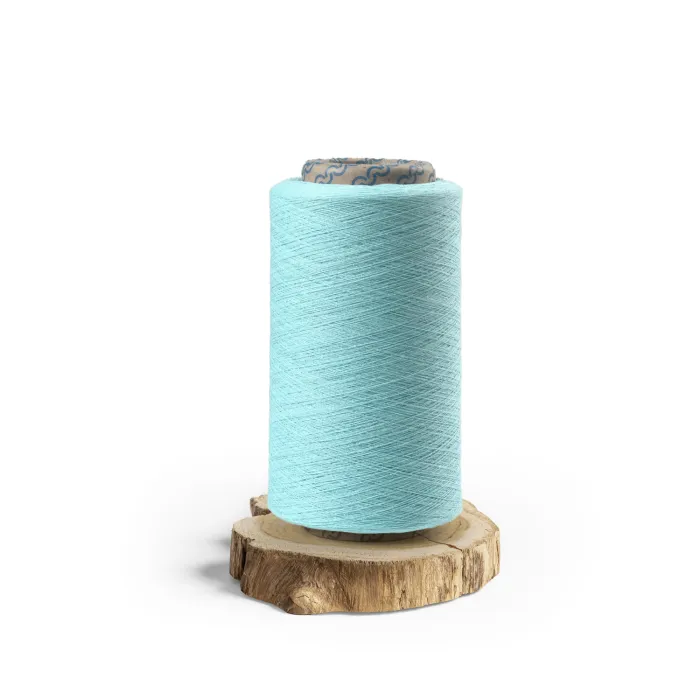
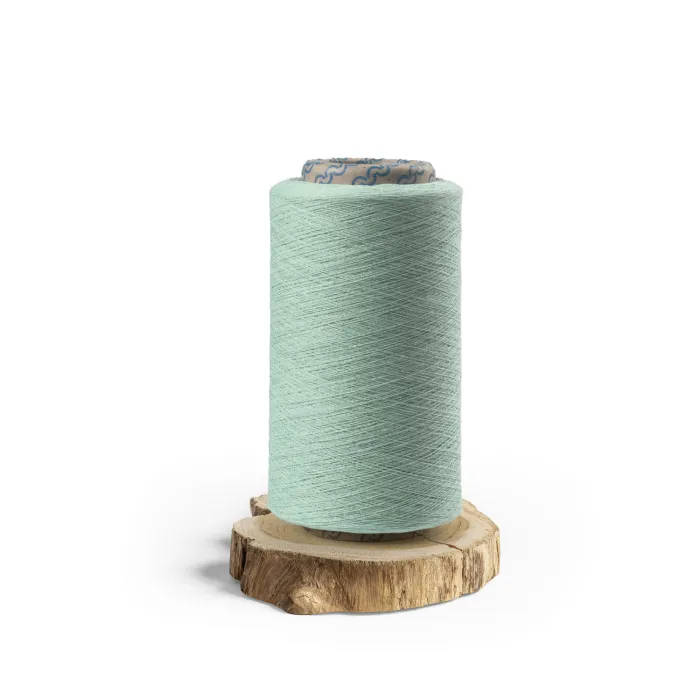
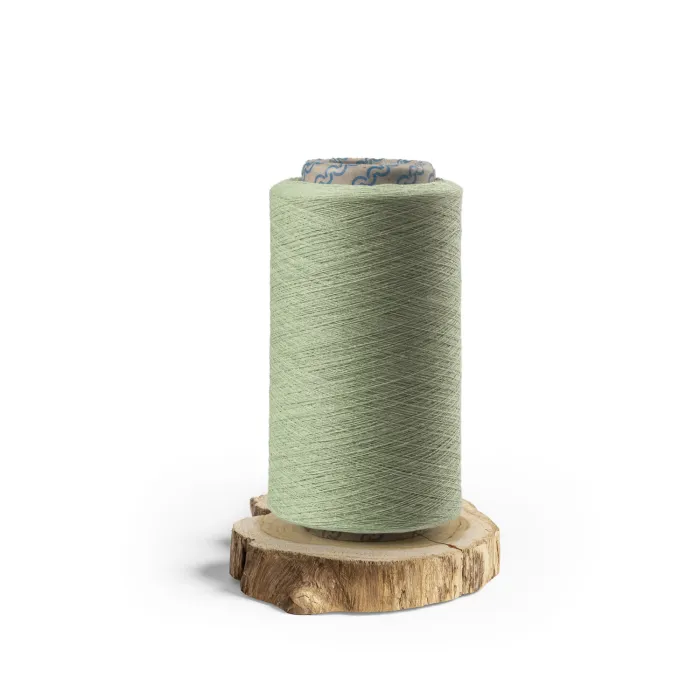
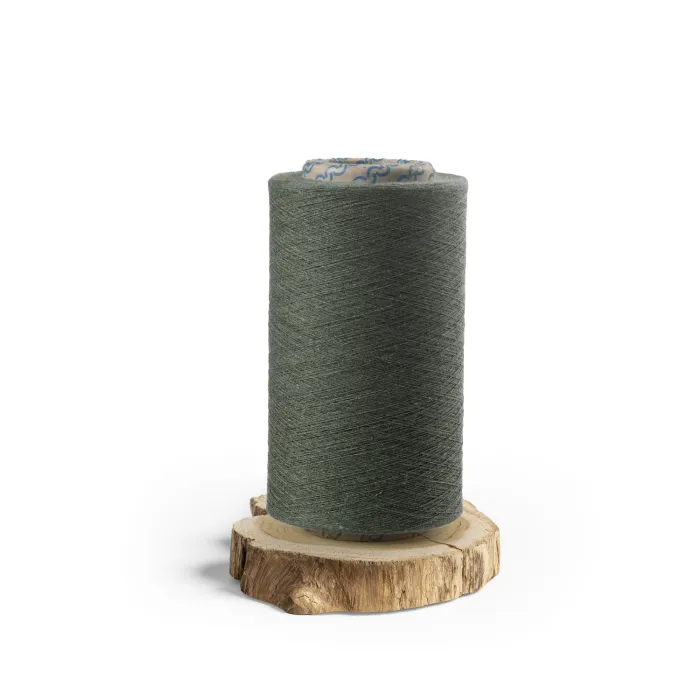
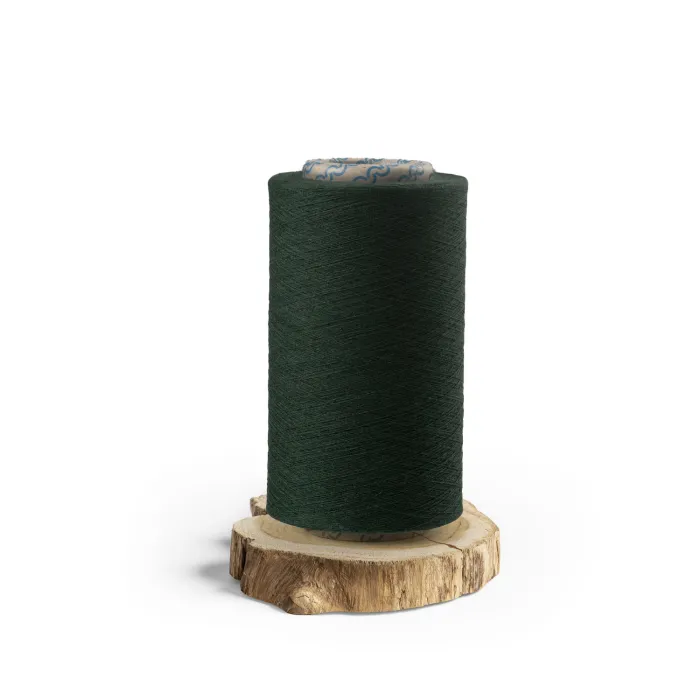
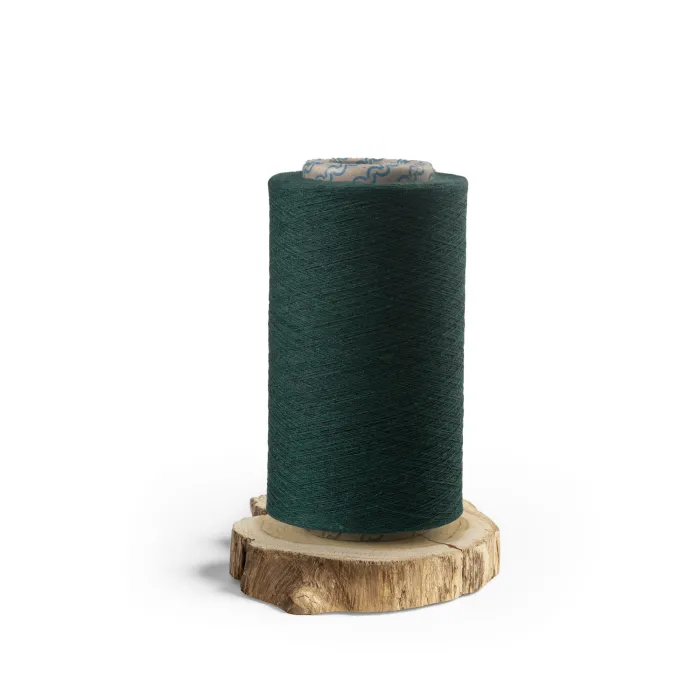
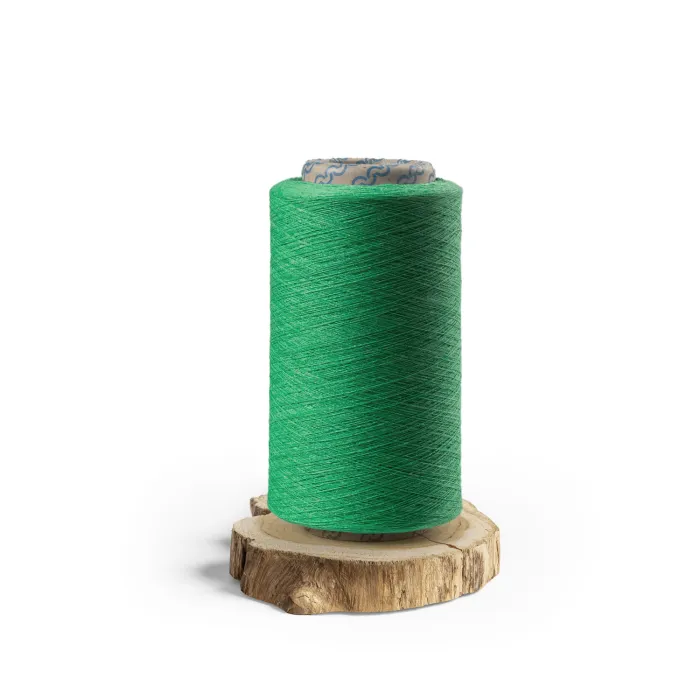
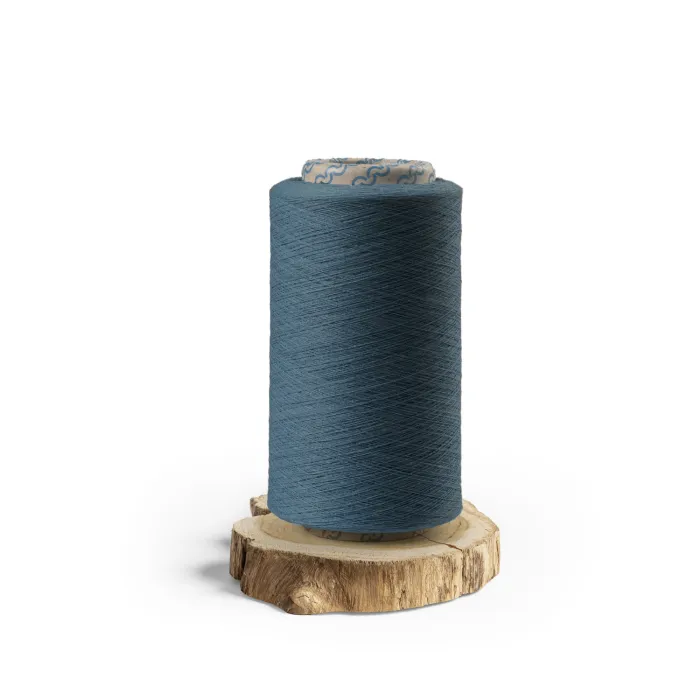
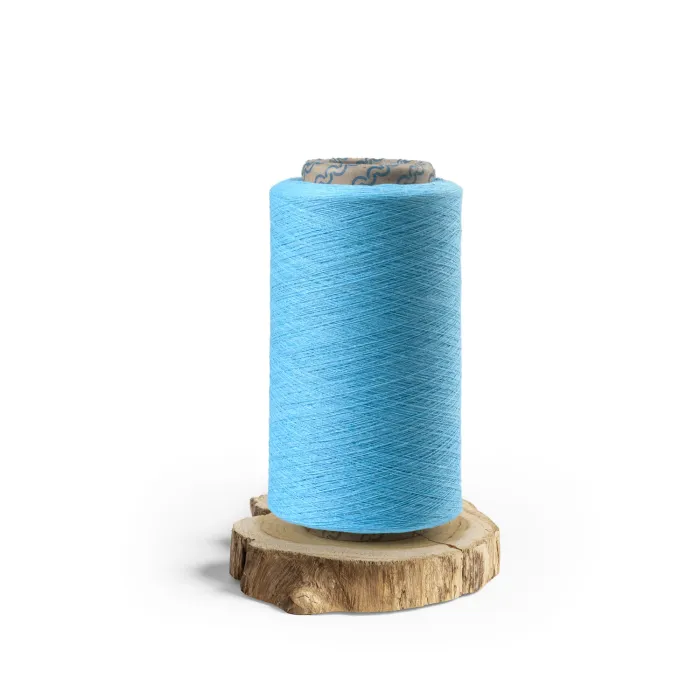
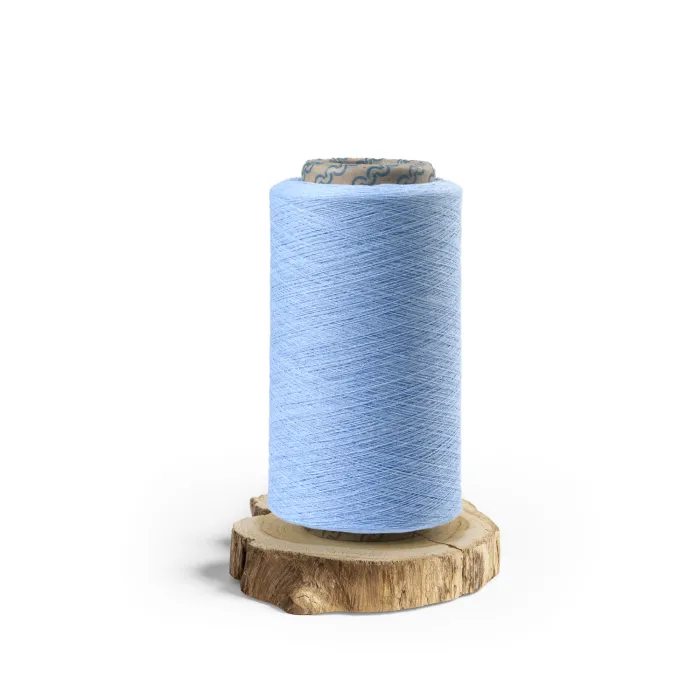
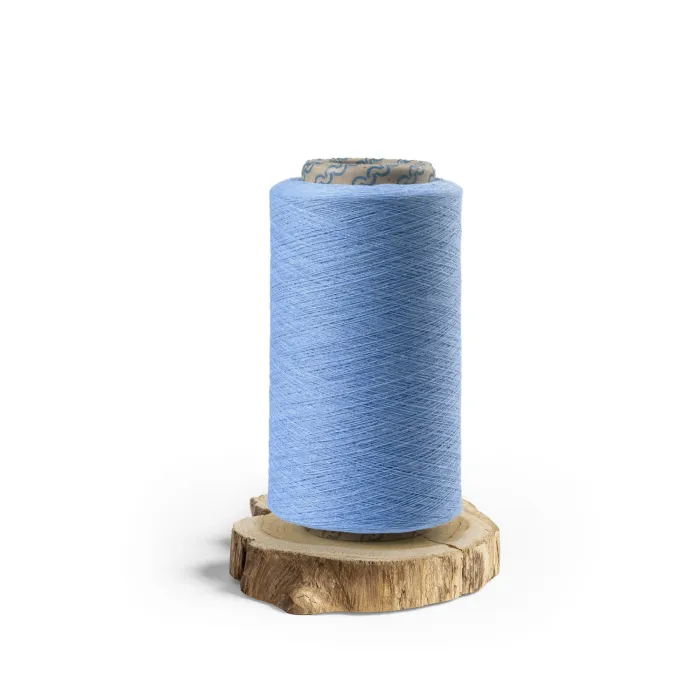
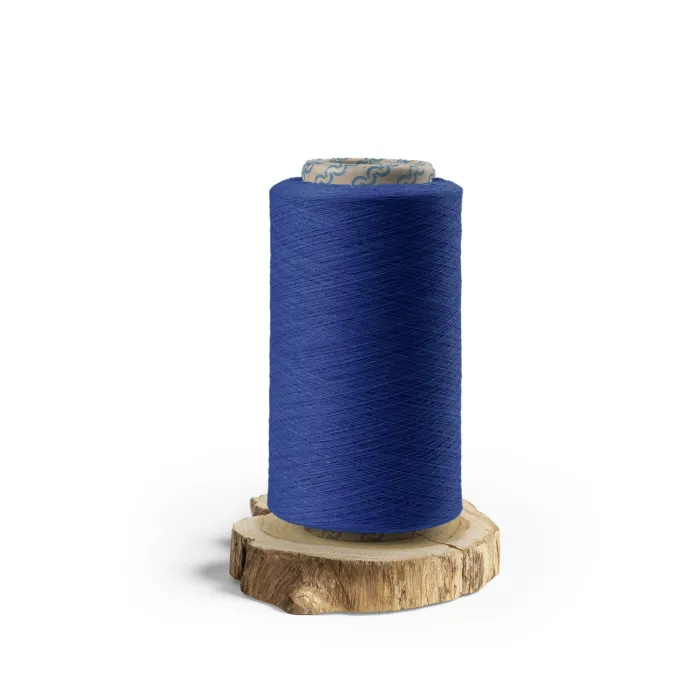
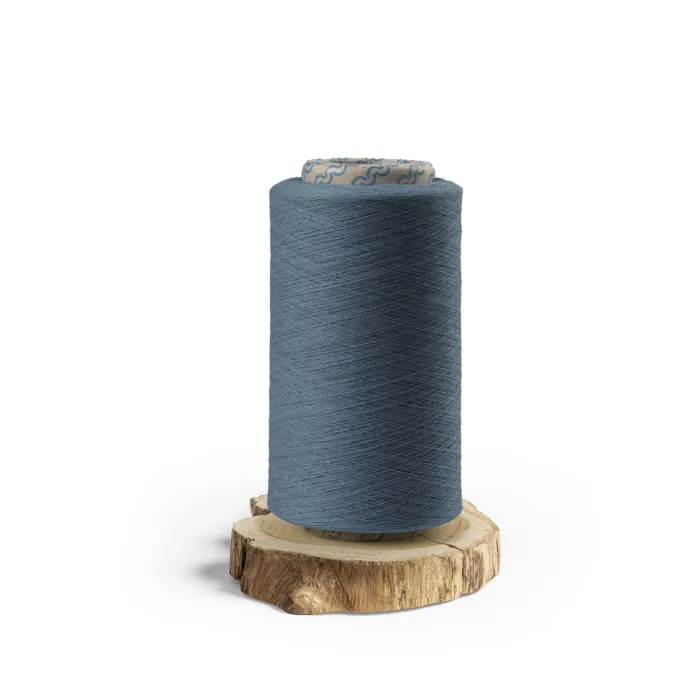
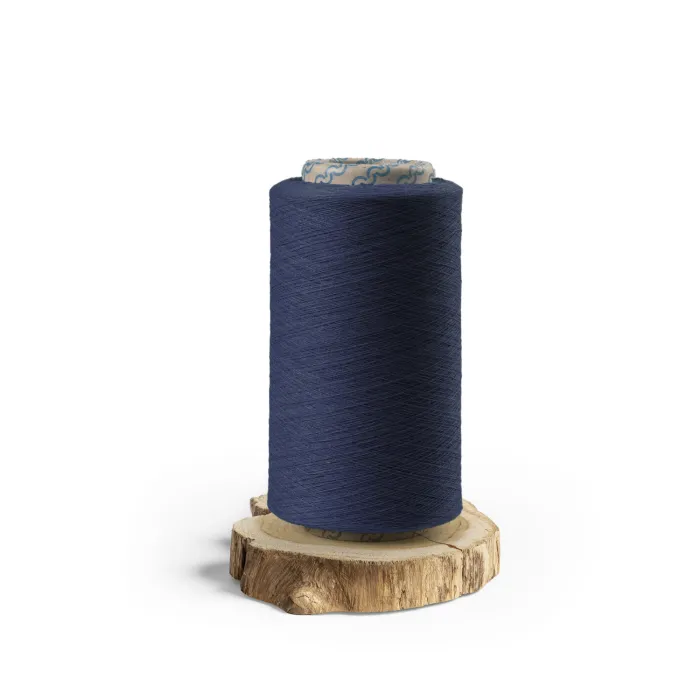
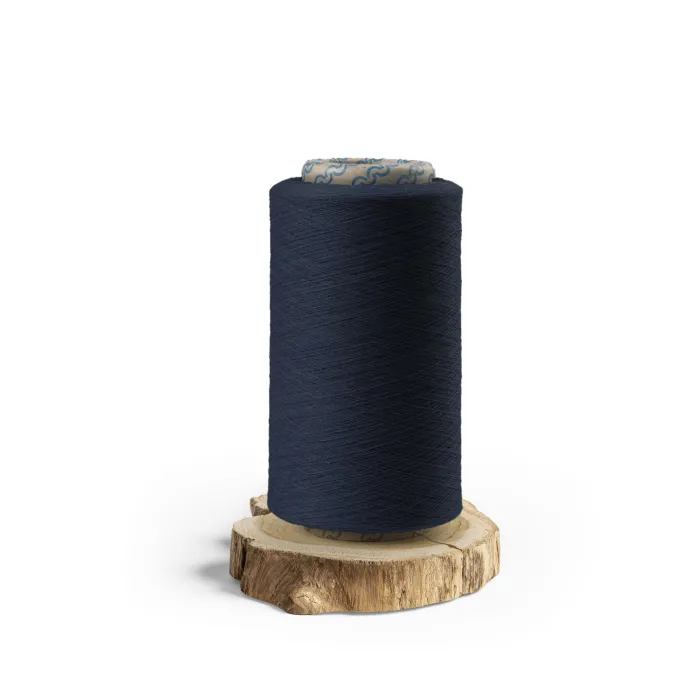
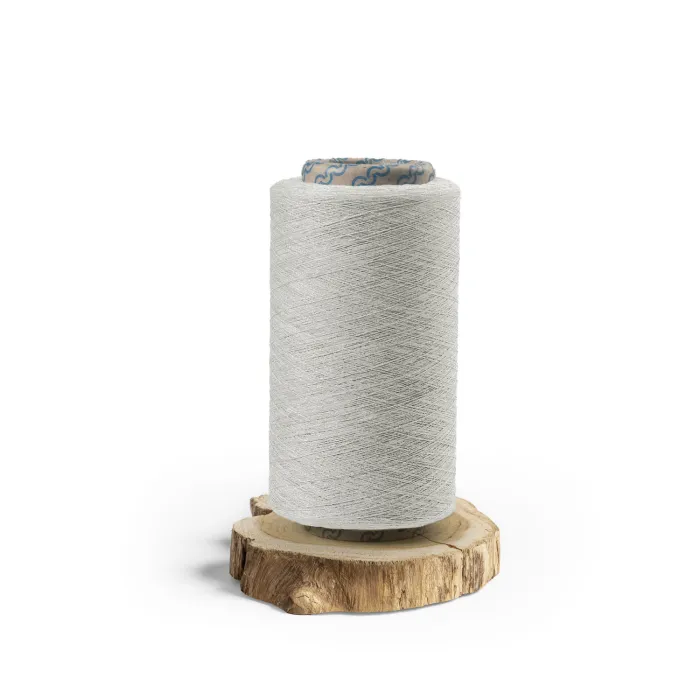
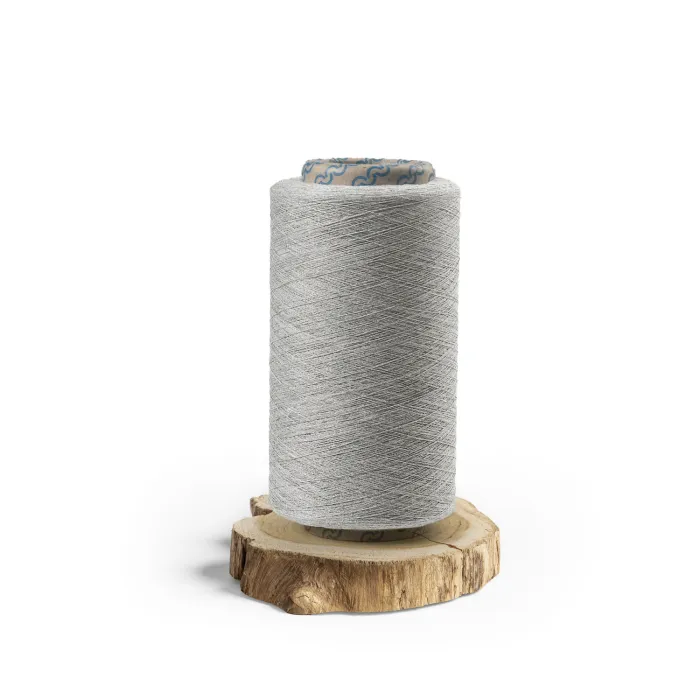
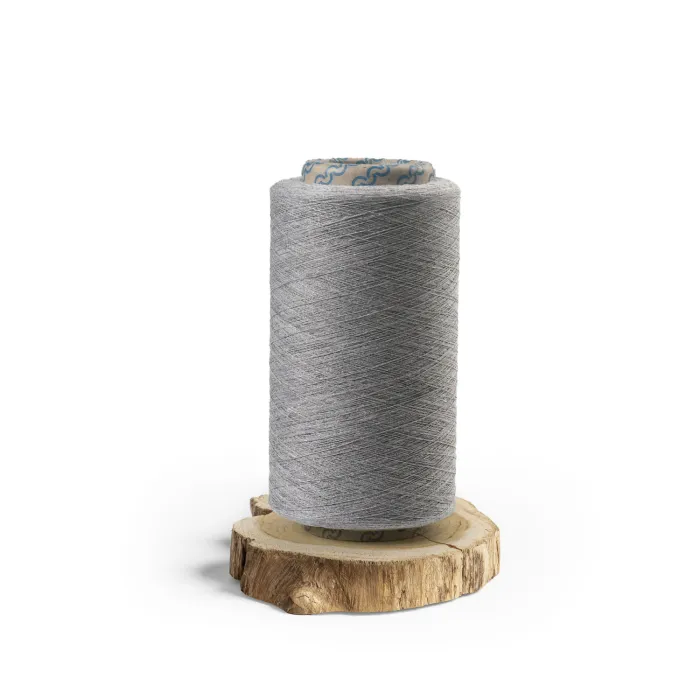
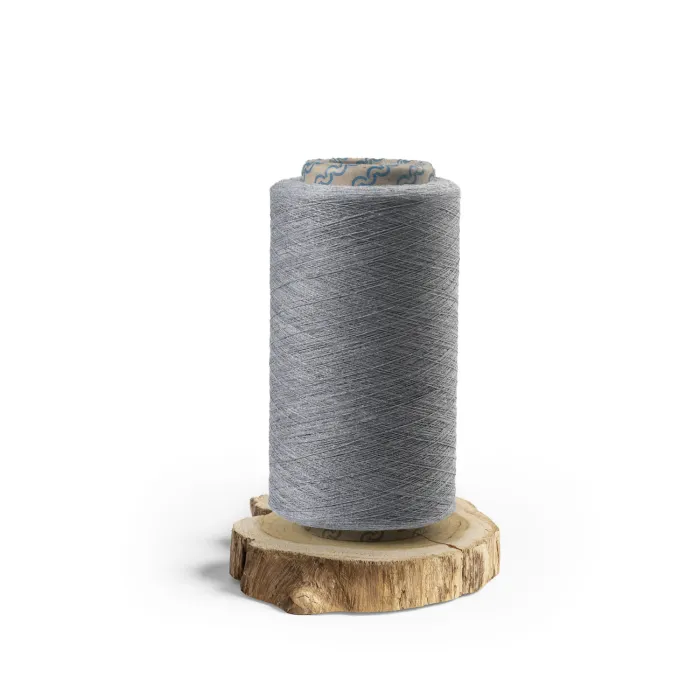
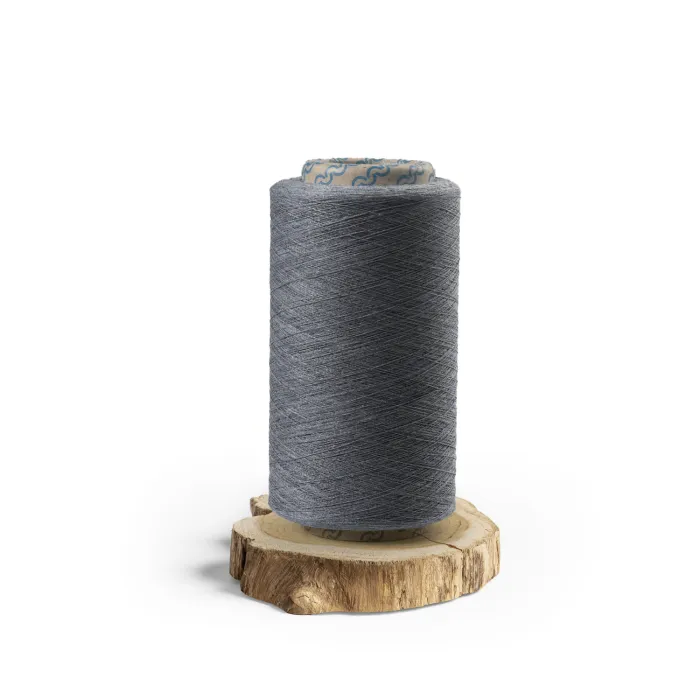
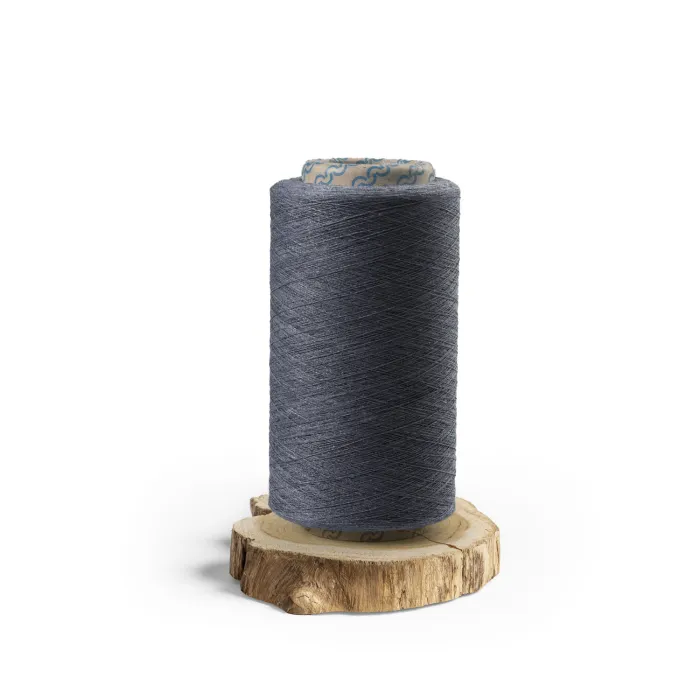
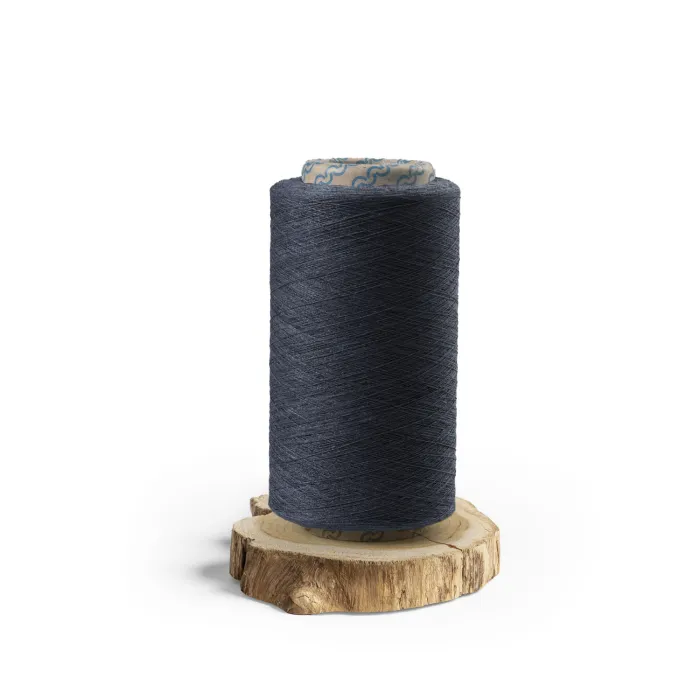
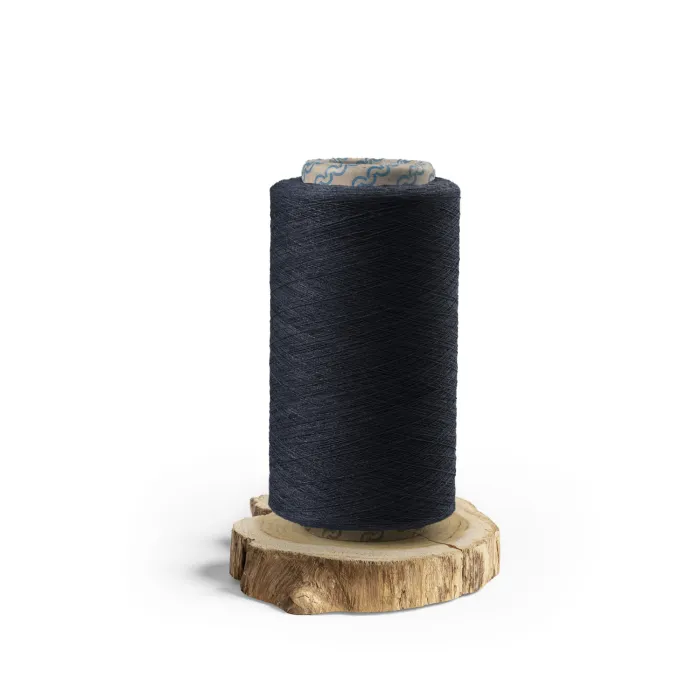
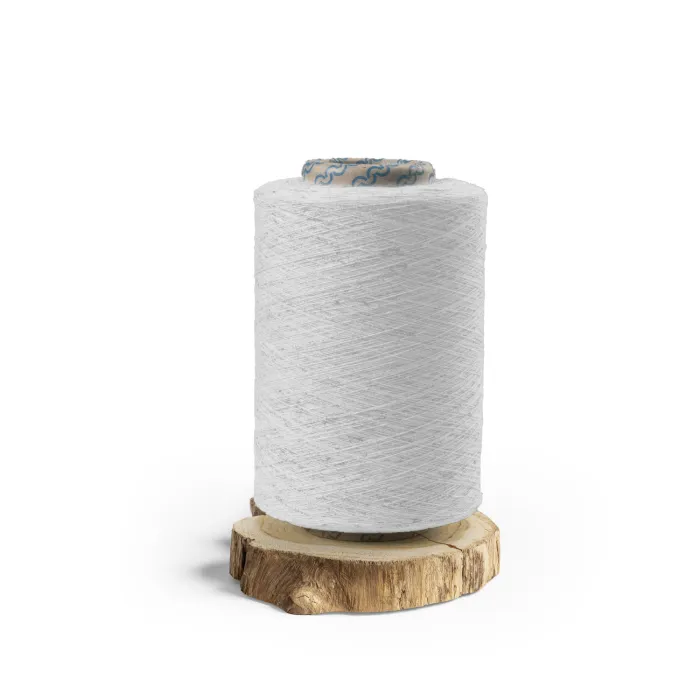
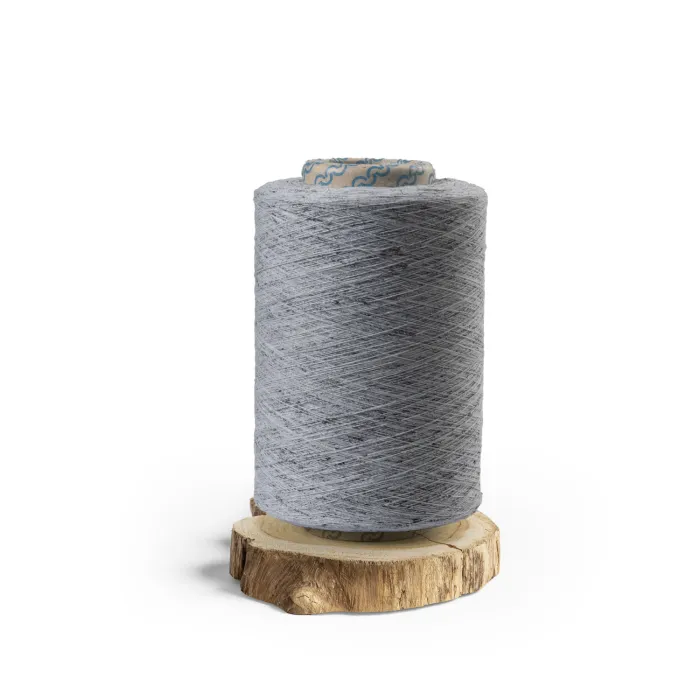
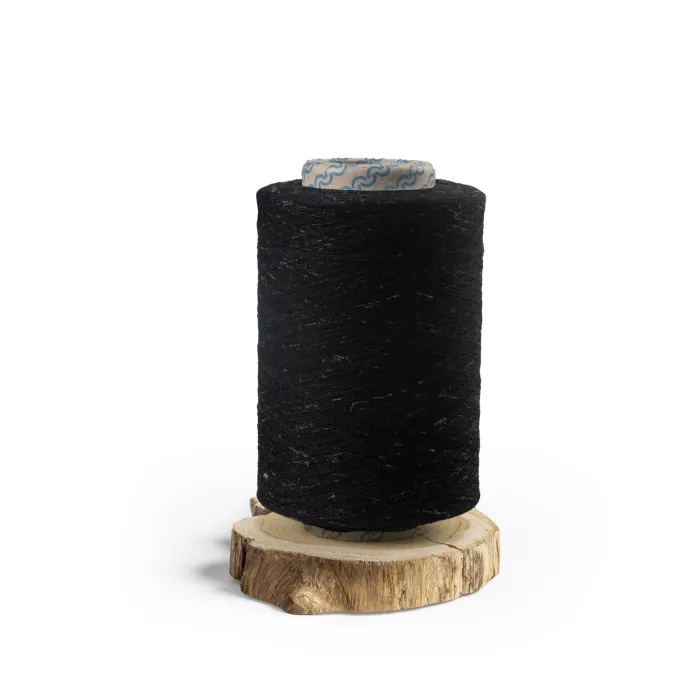
Our recycled yarns are used in many fields, including knitting (apparel such as t-shirts, sweatshirts, tights, blouses, tracksuits, etc.), weaving (upholstery fabric, outerwear such as trousers, shirts, jackets, etc.), knitwear (sweaters, cardigans, beanies, gloves, etc.), socks, towels, fancy and hobby yarns, and many more.
Our facility holds the GRS (Global Recycled Standard) certification, which verifies that our products contain at least 20% recycled materials and adhere to sustainable production processes. To ensure sustainability, our customers must also hold GRS certification. When the garment side also has GRS certification, the products can be labeled.
To make our world more livable, we aim to fulfill our share of social responsibility, leaving a cleaner, more beautiful and more natural world for future generations.

